Ready to help treat your pet to a healthy life?
How to Tell if Your Dog is Overweight
By : Kathleen Crampton | Published Nov 25, 2025
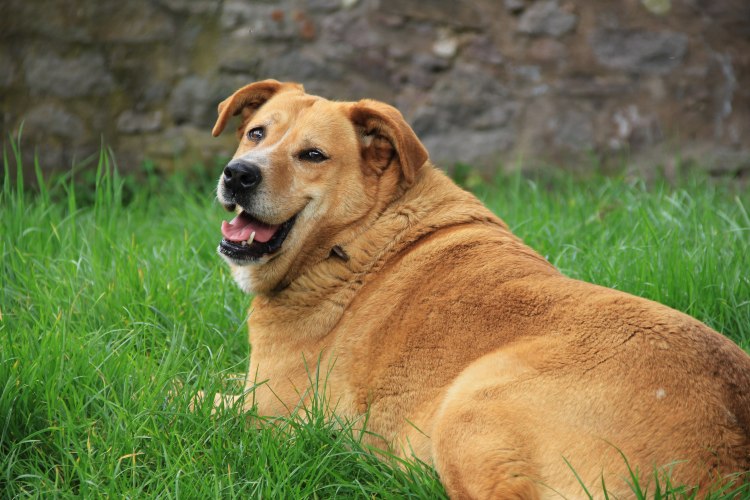
Just like when you notice anything different about your pet, such as changes in their eating habits or overall temperament, it's important to keep tabs on how they look. We're not just talking about whether they need to go to the groomer—pet parents should also pay attention to their dog's weight.
If you're worried that your dog is packing on the pounds, don't make any sudden changes just yet. It's great that you've potentially recognized a common health issue with dogs. But first, read this guide on common signs of weight gain, how to determine if your dog is indeed overweight, and steps to take to get them healthy.
Why weight matters for your dog’s health
Paying attention to your dog's weight is important for their health and longevity. Overweight dogs are at a higher risk of developing several medical conditions. For example, added weight can put more pressure on their joints and bones, potentially causing or worsening arthritis, and it can lead to cardiovascular issues, skin issues, or perhaps even cancer.
But one of the most sobering matters is about life span. One large-scale study gathered data from more than 50,000 dogs across North America, finding that the median life span was shorter for overweight dogs compared to dogs that were at a normal weight.
Weight impacts so many areas of your pup's life, making it crucial to recognize any notable changes and consult your veterinarian to right the issue.
Why dogs gain excess weight
With all of the happiness, love, and comfort dogs bring their families, it makes sense that pet parents want to give their beloved pups the world. But indulging in your dog's every desire can lead to unwanted issues, like gaining weight. From letting them snatch table scraps to giving them a few too many treats—or even not paying attention to the amount of food you put in their bowl—there are several reasons why an otherwise healthy pup might put on a few extra pounds.
Other reasons could include:
- Not exercising your dog according to their breed's needs (for example, Alaskan Malamutes require much more physical activity than, say, a Pug)
- Spaying/neutering, which affects hormones and, in turn, metabolism, appetite, or energy levels
- Injuries or age-related conditions, which can affect your dog's ability to exercise
- Dog medications with side effects that may include increased appetite
- Medical conditions, like hypothyroidism and Cushing's disease
Common signs your dog is overweight
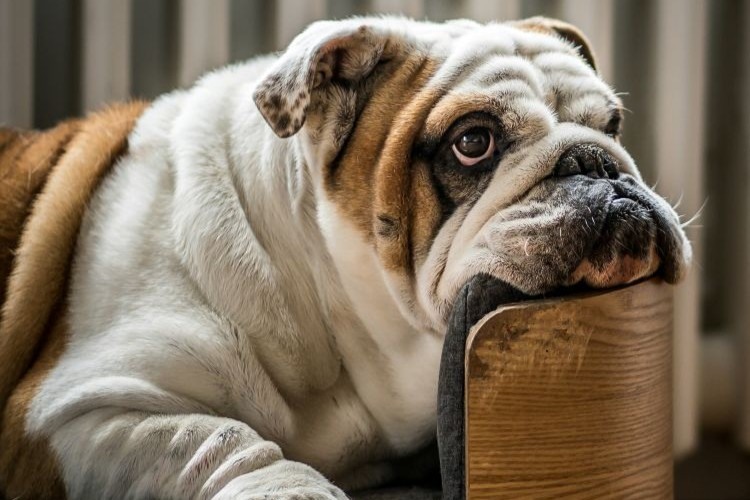
The signs of an overweight dog are usually fairly noticeable, but exact symptoms may differ from pup to pup. That said, there are some common overweight dog symptoms:
- Their ribs can't be easily felt
- Poorly defined waist (more easily seen when looking at your dog from above)
- Fat pads on top of their hips
You may also notice that your dog exhibits the following signs, which, in tandem with physical symptoms, may indicate that they're overweight:
- Trouble walking or moving in general
- Reluctance to exercise
- Tiredness
Ideal weight ranges by breed and size
Some pet parents might think that there is one ideal weight for their pup, but the scale isn't one-size-fits-all within each breed. The American Kennel Club has a comprehensive list of registered breeds and their ideal weight ranges, from Toy Fox Terriers to Rottweilers. But ideal weights get tricky with mixed breeds, as there might not be a set healthy weight range for these types of dogs.
The best way to understand if your dog is within a healthy range is to take them to the veterinarian. To determine your dog's ideal weight, your vet will use their knowledge of breed-specific healthy weights and assign what's called a body condition score, a widely accepted system for estimating body fat in animals.
Using the body condition score for dogs
The body condition score (BCS) is based on either a 5-point or a 9-point scale. If using the 9-point scale, an ideal for dogs would be a 4 or 5 and overweight and obese scoring 7–9. Here's a closer look at the points on the scale:
- Emaciated
- Very Thin
- Thin
- Moderately Thin
- Ideal
- Moderately Above Ideal
- Overweight
- Obesity
- Severe Obesity
For help with assessing your pup at home, you can reference BCS scoring diagrams, such as this dog weight chart provided by the Association for Pet Obesity Prevention. While being aware of the BCS is helpful, it's imperative to get a veterinarian's professional opinion on your dog's weight.
When to seek help if your dog is overweight
If you're worried your dog is overweight or wondering "Is my dog obese?", the first step is to schedule a visit with your veterinarian. They'll perform a physical exam of your pup to determine if they have weight issues as well as identify if there are any underlying conditions that are causing the weight gain. This is why it's very important to not take matters into your own hands, as your dog may be dealing with medical issues that require different treatments.
If your vet diagnoses your pet with a medical condition, they will recommend treatment for both that condition and your dog's weight, ensuring that both plans work together to get your furry friend healthy again.
Dog weight management tips
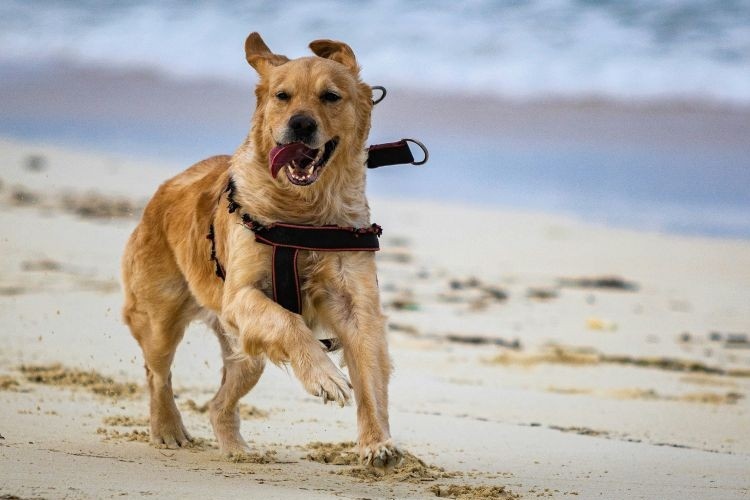
If no underlying medical condition is found by your vet, they may start by putting your pup on a diet and exercise plan according to their age and breed. Here are some ways to help your dog lose weight:
- Increase exercise. Give your pup more opportunities for physical activity, such as extra playtime in the backyard or at the dog park or longer walks in the neighborhood. Playing fetch can be a good way to help your dog get more bursts of energy and burn more calories.
- Consider low-impact activities, such as swimming, for senior dogs or pups with mobility issues.
- Don't overfeed. Stick to the correct portions of dog food.
- Don't make sudden diet changes without your vet's approval. While switching to a low-calorie kibble might be tempting, remember that your pup's digestive system may be sensitive to changes. Always feed them according to your vet's recommendations.
- Rethink their treats. Too many treats can be detrimental to your dog's health, so start paying attention to how often you use treats as a reward throughout the day.
The main thing to remember is that your vet knows how to tell if your dog is overweight and the plan of action to get them healthy again. Always seek a vet's professional opinion before embarking on your dog's weight-loss journey.
How pet insurance can help with weight-related health issues
While you're in the driver's seat when it comes to the day-to-day monitoring of your dog's weight, sometimes weight-related issues might develop that need treatment. That's where pet insurance comes into play, helping to cover the costs of covered treatment for diagnoses such as joint pain, diabetes, or other issues that may be related to your pup being overweight.
Trupanion commonly covers these types of conditions, just so long as they're not pre-existing. That's why it's important to sign your furry pal up for dog insurance as soon as you bring them home—so that their health (and your budget) can be protected.
Pet Parenting is the official dog and cat blog of Trupanion, a leader in the world of pet insurance. Here you’ll find useful dog and cat care tips, important veterinary insights, and an abundance of pet lifestyle topics. All of our articles are written by real humans with a love for pets, not AI. However, please note that the views expressed here are those of the individual authors and do not necessarily reflect those of Trupanion. Articles are reviewed by veterinarians for accuracy, but they are not a substitute for professional diagnosis and treatment. Always consult with your own pet’s veterinarian for advice.