How pet insurance works
One of the most significant responsibilities of having a pet is ensuring they get the medical care they need, when they need it. This is where pet insurance comes in.

Understanding pet insurance
What is pet health insurance?
Pet health insurance is a specialized form of insurance coverage designed to help pet owners manage the costs of veterinary care for their pets. Similar to human health insurance, pet insurance covers eligible expenses related to treating accidents and illnesses that may affect pets. This coverage can include a wide range of medical expenses, such as emergency care, serious diseases, genetic and hereditary conditions, breed-specific conditions, and holistic care.
Pet insurance generally follows a reimbursement model where the pet owner pays for the veterinary services upfront and then submits a claim to the insurance provider for reimbursement of eligible expenses. (Though Trupanion can pay your vet directly so you don’t have to wait on reimbursement!)
The coverage options and benefits can vary between different pet insurance providers, so it's important to carefully compare and select a plan that best suits the needs of your pet and your budget.
Overall, pet health insurance is designed to help provide protection and peace of mind for pet owners, so they can better afford necessary medical care for their beloved animals. In order to protect your pet with full coverage that works with your budget, having pet insurance is becoming increasingly vital.
Types of coverage


Some pet insurance providers also offer wellness plans that cover routine care, including preventive measures such as vaccinations, regular check-ups, and other standard veterinary procedures.
How does pet insurance work?
Choosing a provider
The first step in obtaining pet insurance is choosing the right provider. It's crucial to research different providers (Trupanion is a popular choice!) and read reviews and testimonials to get a sense of their reputation and customer satisfaction. Pet insurance companies offer various coverage options, and it's essential to select a plan that aligns with your pet's needs and financial goals. When choosing a provider, consider factors such as the types of policies available, common exclusions, and the ability to customize your plan to suit your personal needs and preferences.
Understanding coverage options
Once you've selected a provider, understanding the coverage options they offer is essential. Providers may have widely different coverage limits and exclusions and can cover a vast range of eligible medical expenses, including accidents, illnesses, and routine care. The coverage options and benefits can vary substantially between different pet health insurance providers, including access to alternative therapies and behavioral modification.
Enrollment qualifiers
When enrolling in a pet insurance plan, factors such as the age, breed, gender, size, and geographic location of your pet can influence the cost of the insurance policy. Most pet insurance providers have specific enrollment qualifiers, including the ones listed above. Puppies and kittens can often be enrolled from a young age, but some providers may not issue new policies for older pets or certain breeds prone to genetic conditions.
Premiums and payments
Pet insurance typically operates on a reimbursement model, where policyholders pay a monthly premium and can be reimbursed for certain medical expenses after paying their pet's healthcare providers upfront. The cost of premiums can fluctuate based on factors such as the type of policy, the age and breed of the pet, location, and the company offering the plan. Additionally, the ability to customize your plan allows you to select a deductible and monthly price that makes sense for your budget.
How premiums are calculated
Pet insurance premiums are calculated based on several considerations, which can vary between providers. The cost of pet insurance is influenced by the following key factors:

Age
As pets age, they become more susceptible to illnesses and age-related health issues, which can impact the risk profile for insurance companies. Consequently, premiums may increase as pets get older, reflecting the higher likelihood of expensive illnesses or age-related injuries. This is why it's a good idea to sign up dogs and cats sooner rather than later.

Breed
Your pet's breed is another important factor in determining pet insurance costs. Some breeds are predisposed to specific illnesses, which can lead to more frequent veterinary visits and higher medical bills. Larger breeds of dogs, for example, may require larger doses of medication when sick and may take longer to recover, potentially leading to higher insurance costs.

Location
The geographic location where you and your pet reside can also affect the cost of pet insurance. Factors such as regional differences in the cost of veterinary care and the prevalence of certain health conditions in specific areas can influence the risk assessment and pricing for pet insurance policies.

Coverage level
The type and level of coverage you choose for your pet, such as accident and illness coverage or accident-only coverage, will impact the total cost of the insurance policy. More comprehensive coverage typically comes with higher premiums, reflecting the broader range of benefits provided.

Payment schedule
Pet insurance premiums are typically paid on a monthly basis in order to keep the policy active. This payment frequency offers flexibility and allows pet owners to manage their budget effectively while ensuring continuous coverage for their pets.
Covered treatments
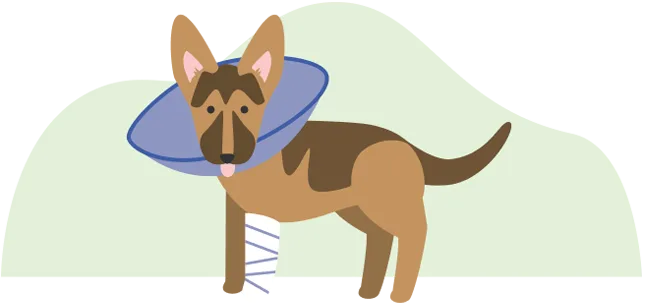
Pet insurance coverage typically includes treatments for unexpected illnesses and injuries, encompassing a wide range of medical expenses. This can include hospital stays, diagnostic tests, surgeries, medications, and specialized care for accidents and illnesses. Trupanion offers the most comprehensive coverage in the industry so you have protection when you need it most.
Exclusions
Pet insurance policies often have exclusions, such as pre-existing conditions, elective procedures, and certain breed-specific conditions. Pre-existing conditions refer to health issues that presented before the pet insurance coverage began and are typically not covered. Elective procedures, including spaying and neutering, may also be excluded from coverage. Additionally, certain breed-specific conditions may have restrictions or exclusions with certain providers. However, Trupanion loves all breeds and does not have breed-specific exclusions for non-breeder policies.
Waiting periods
All providers typically have waiting periods before coverage becomes effective for all or certain conditions. During the waiting period, any illnesses or injuries that arise may be considered pre-existing conditions and may not be included in the coverage. It's important to review the specific waiting periods and coverage details outlined in the policy to understand when the coverage becomes effective for different conditions.
Claims process


Deductibles, copays, and limits
Annual vs. per-incident deductibles
Pet insurance deductibles can be structured as either annual or per-incident. With an annual deductible, the policyholder must meet the deductible amount once per policy term, typically on a yearly basis. Once the deductible is satisfied for the policy term, the claim reimbursement only subtracts the coinsurance until the policy renewal when the annual deductible resets. On the other hand, per-incident deductibles are applied once to any given condition during the lifetime of the pet. In this case, when the deductible is paid for a specific injury or illness, all future medical costs associated with that condition will be eligible for coverage without an additional deductible in the future.
Trupanion offers a lifetime per-incident deductible. This allows for future medical costs associated with that condition to be eligible for coverage without a deductible in the future.
Copayments/coinsurance
Co-payments, also known as coinsurance, represent the proportion of eligible veterinary expenses that the pet parent is responsible for after the deductible has been met. For example, if a pet insurance plan offers a 90% reimbursement rate, the policyholder would be responsible for paying the remaining 10% of the eligible expenses after the deductible has been satisfied.
Coverage limits
Pet insurance plans may have various coverage limits that dictate the maximum amount the insurer will reimburse for veterinary care within a specific timeframe. These limits can include annual limits, which cap the reimbursement amount for a 12-month period, lifetime limits, which cap the total reimbursement over the pet's lifetime, and per-condition limits, which cap the reimbursement for specific health conditions. Trupanion, for instance, offers unlimited payouts with no annual, lifetime, or per-incident coverage caps, providing extensive coverage without predefined limits.
Key benefits of pet insurance


Choosing the right long-term insurance provider
Compare insurance providers
When choosing a pet insurance provider, it's essential to compare your options carefully. Look for reviews and testimonials from other pet owners to gauge how reliable the coverage is when you need it most.
Evaluate coverage options
It's critical to carefully evaluate the type of coverage offered by pet insurance plans. Most pet parents opt for accident and illness coverage, which helps offset the cost of expensive vet bills for unexpected events such as poison ingestion or serious illnesses. Some plans also offer wellness coverage for routine vet visits, vaccinations, and spaying/neutering operations, but typically for an additional premium. And beware of the fine print. Not all providers offer the transparent coverage you get with Trupanion.
Reimbursement rate
Understanding the reimbursement rate, which is the percentage of eligible vet bills that the insurance company will cover once the deductible is met, is key to understanding the overall value. Common reimbursement rates range from 70% to 90%, with some companies offering 100% reimbursement. Consider your approach to pet insurance and prioritize the level of reimbursement that aligns with your financial preferences and ability to manage vet bills.
Long-term reliability
Choosing a long-term insurance partner isn't just about the present; it's about the future. Your pet's needs will evolve over time, and having a reliable insurance provider means working with a partner that has a successful track record of protecting pets (Trupanion has been exceptional for over 20 years!), offering continuous support throughout every pet's life.
Pet insurance is more than just a financial safety net — it's a commitment to your pet's well-being and a step towards providing them with the best care possible. From covering unexpected veterinary costs to ensuring access to quality care, the benefits are clear. However, choosing the right pet insurance provider makes all the difference. Research and compare providers, evaluate coverage options, and consider the long-term viability of your choice to ensure the right fit for you and your pet.
Ready to safeguard your pet's health? Learn why Trupanion is the best in the business and explore your options to find the perfect plan for your furry family.
How pet insurance works FAQ
For the most part, pet insurance companies won’t drop your coverage as long as you pay your premiums, keep your info up to date, and don’t file any fraudulent claims. Policies are typically only canceled for nonpayment or at your request. But there are companies that have dropped policies because the the pet got too expensive to insure.
Trupanion would never cancel a policy without reason. We only cancel for non-payment, fraud, or refusal to provide medical records. With Trupanion’s lifetime product, once your pet is enrolled and your policy is active, they’re covered for life — and we’ve never dropped coverage, nor would we ever, because a pet got too expensive to insure. You stay protected as long as you stay enrolled. No age cutoffs, no re-enrollment every year, and no surprises.
Yes, pet insurance rates can and do rise, but how they change will depend on the company. Many adjust pricing based on your pet’s age or how much you’ve claimed.
Trupanion is different. With our lifetime pricing promise, rate increases are tied to the actual cost of veterinary care — not because your pet got older, not their claim history. So, you’ll never pay more just because you used your coverage when your pet needed it.
You can cancel any pet insurance policy whenever you want. Some companies require a bit of notice or written confirmation.
Trupanion makes it easy. You can cancel at any time with no cancellation fees, no hoops to jump through. Just contact us and we’ll help you through the steps.
Almost all pet insurers include waiting periods before coverage kicks in — this helps prevent fraud and ensures fairness.
Trupanion’s waiting periods are among the shortest: 5 days for injuries and 30 days for illnesses in most states. After that, with our lifetime policy, your pet is covered for any new, unexpected conditions for life. If you activated an Exam Day Offer, a Go Home Day Offer or an Adoption Day Offer, your waiting period will be waived — those offers have no waiting periods and coverage kicks in immediately.
Coverage usually begins once your waiting periods have passed.
With Trupanion, your policy activates right away when you enroll, but coverage does not kick-in until your waiting period ends. Your waiting period clock starts immediately at the time of enrollment — 5 days for injuries, 30 for illnesses in most states — and once it’s done, you’re protected from day one of any new condition.
It’s best to file your claim as soon as possible after your pet’s veterinary visit. With some insurers, you have as few as 90 days to file a claim before losing reimbursement eligibility. Trupanion gives you a full year.
While most providers only offer reimbursement after you pay your veterinarian in full, Trupanion also offers VetDirect Pay™ in over eleven thousand veterinary hospitals across North America. When available, our proprietary software can pay the veterinarian directly at checkout — the only system of its kind in the industry — so you can focus on your pet, not your payment.
And Trupanion makes filing claims easy. You can submit them directly through your online account without complicated paperwork. Our reimbursement turnaround is among the fastest in the industry, so you’ll get your funds back quickly.
Some pet insurance companies say they can pay the vet directly, but in most cases, that just means the hospital is willing to take on temporary risk and wait for reimbursement from the insurer. If coverage doesn’t go as expected, the client can and often does end up footing the difference.
Trupanion does it differently. We built the only proprietary, real-time payment system in the industry which allows us to pay veterinarians directly at checkout for eligible claims, right from our system to theirs. No waiting, no risk transfer, no middleman.
While not yet available at every hospital, VetDirect Pay™ is active in thousands of practices across North America, and it’s expanding every day. And wherever it’s not yet offered, our reimbursement process is one of the fastest in the business, so you’re covered either way.
We’re always ready to help
Our customer care team is available 24/7/365.